Kitchen sink clogs are a common household nuisance, ranging from minor inconveniences to stubborn blockages that disrupt daily routines. While some can be resolved with simple DIY methods, persistent clogs often signal deeper issues that require a more robust solution. Understanding the root causes and knowing when to call for expert assistance is crucial to maintaining a healthy plumbing system, and John Dream Sewer and Water is here to help navigate these challenges.
Common Culprits Behind Kitchen Sink Clogs
The kitchen sink is a high-traffic area, and its drain can fall victim to various substances over time. Grease and oil, often poured down the drain while hot, solidify as they cool, clinging to pipe walls and catching other debris. Food particles, especially coffee grounds, rice, pasta, and fibrous vegetable peels, can accumulate and form dense blockages. Even soap scum and mineral deposits from hard water contribute to the gradual narrowing of pipes. While these issues may seem minor initially, they build up over time, leading to slow drainage and eventually a complete blockage.
Effective DIY Strategies for Minor Clogs
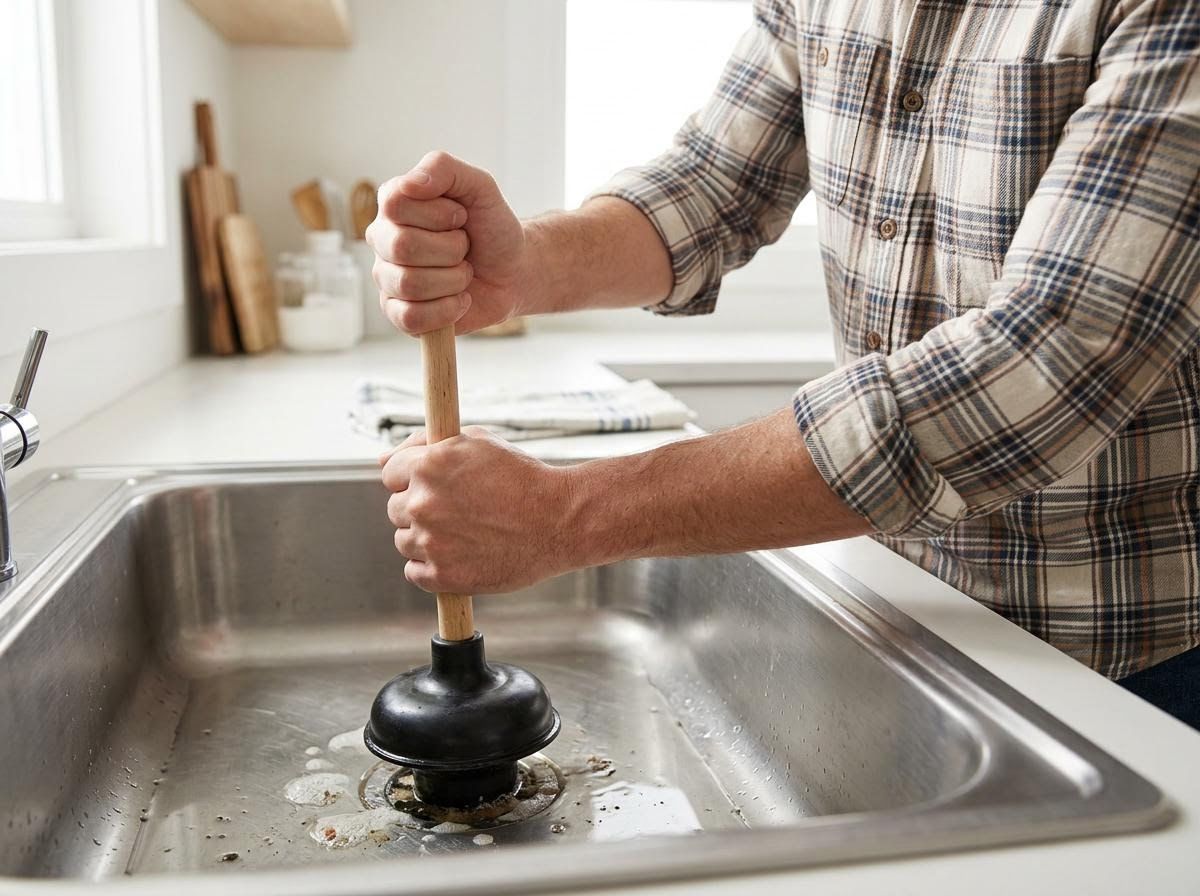
Before calling in a professional, several straightforward methods can address minor kitchen sink clogs. One of the simplest is pouring boiling water down the drain, which can help melt grease and dislodge smaller obstructions. For a more potent natural solution, a mixture of baking soda followed by white vinegar can create a fizzing reaction that helps break down buildup. A plunger can also be effective, creating pressure to force the blockage through. For clogs located in the P-trap, carefully placing a bucket underneath and removing the trap by hand can allow for manual removal of the obstruction. Always exercise caution and ensure safety when attempting these methods.
Recognizing When to Seek Professional Help
While DIY solutions are useful for minor blockages, persistent or recurring clogs are a clear indicator that the problem extends beyond your immediate reach. If your sink repeatedly clogs despite your best efforts, if you notice slow drainage in multiple fixtures (such as toilets or showers), or if you detect foul odors emanating from drains, these are signs of a more significant issue. Gurgling sounds from drains or toilets when the sink is in use can also point to a blockage further down the system, potentially in your main sewer lines. Ignoring these warnings can lead to more severe plumbing emergencies and extensive damage.
Professional Solutions for Stubborn Blockages
When DIY methods fall short, professional plumbers utilize specialized tools and expertise to diagnose and resolve persistent clogs. Techniques like hydro-jetting use high-pressure water streams to thoroughly clean pipe interiors, effectively removing grease, debris, and mineral buildup. Drain snaking or augering can physically break through and retrieve stubborn blockages located deep within the pipes. For chronic issues, a camera inspection can be performed to visually assess the condition of your sewer lines, identify the exact location and nature of the blockage, or detect structural damage that may be contributing to the problem. These professional services ensure a complete and lasting solution, preventing future clogs and potential damage.
Addressing persistent kitchen sink clogs promptly is essential to prevent them from escalating into more significant and costly plumbing problems, such as needing Sewer backup cleanup and repair. While many minor clogs can be handled with simple at-home methods, recurring or severe issues often indicate deeper problems within your plumbing system or main sewer lines. For residents in Denver Colorado, recognizing when to call for professional assistance, including emergency sewer services, can save time, money, and stress. To learn more about identifying and resolving complex plumbing issues, we invite you to explore the extensive resources available on our website.